
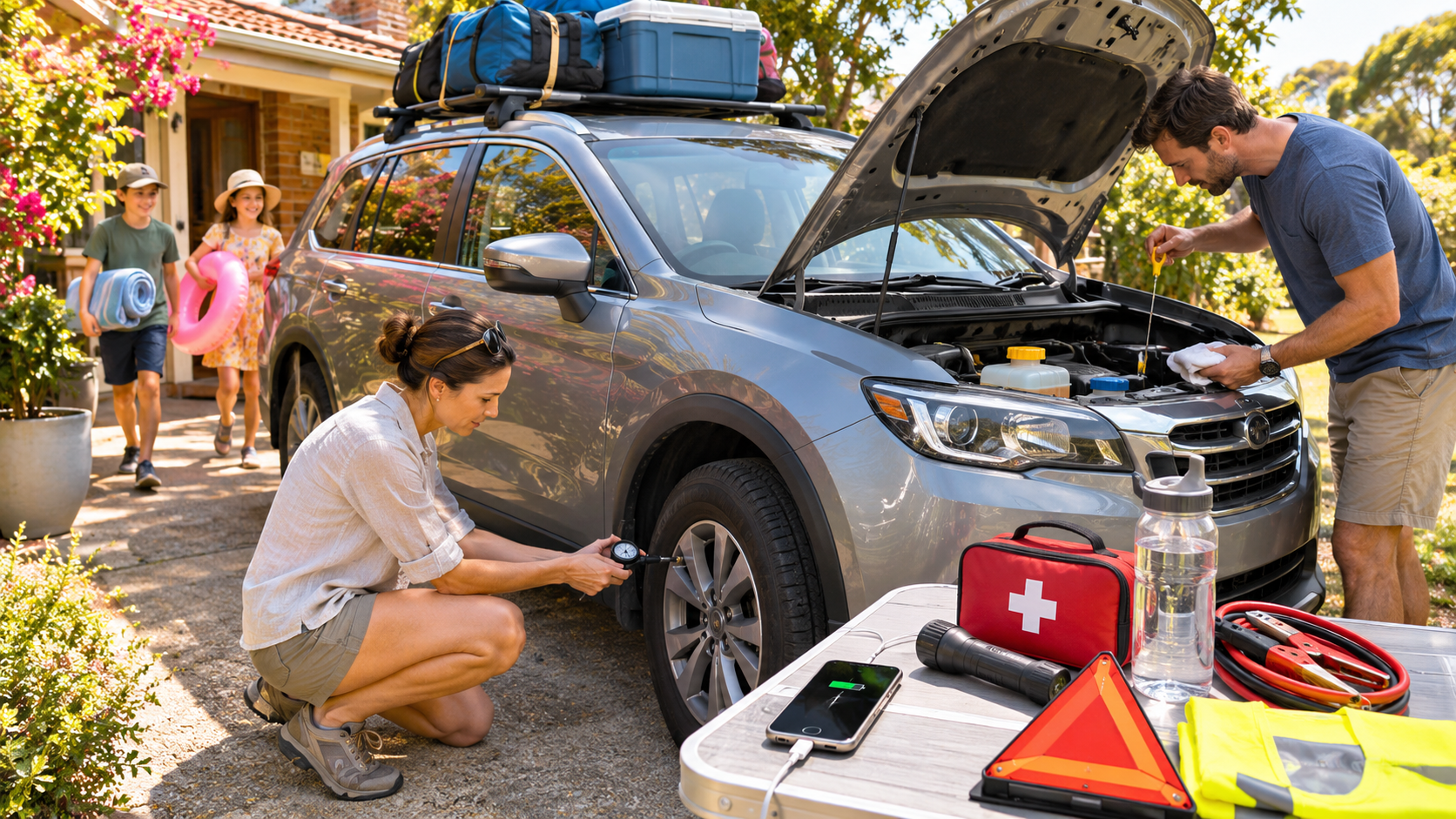
Prepare for a safer, smoother holiday road trip with essential vehicle maintenance tips, a pre-trip checklist and the importance of reliable roadside assistance.
Feel free to pass this guide on to your customers as a ready-made pre-trip checklist.
It's a good idea to book a car service before a holiday. It makes a long drive safer and more reliable, and it can improve fuel efficiency along the way. A qualified mechanic can catch worn brake pads or a tired battery while the tune-up still fits into a normal week, well before either causes trouble on the road.
More people on the road during the holidays means more breakdowns, which matters when your drivers and customers need to keep moving. Plus, traffic increases on the roads as people drive to visit their loved ones, so it’s best to stay as safe as possible by ensuring your vehicle is ready to go the distance. Below, you'll find when to book and what to check, including for cars that have sat idle.
Workshops get busier as Christmas approaches, so an early booking leaves time to order parts and finish any repairs without pushing back your departure date.
Holiday roads carry more traffic as Australians drive to visit their family, so a breakdown can cost more time and carry higher risk. Travel distances also run long here, and summer heat can strain your battery and tyres, while regional stretches can sit hours from the nearest workshop.
With that in mind, businesses running vehicles over summer can start with a vehicle check and back it with fleet roadside assistance for the breakdowns a check cannot prevent.
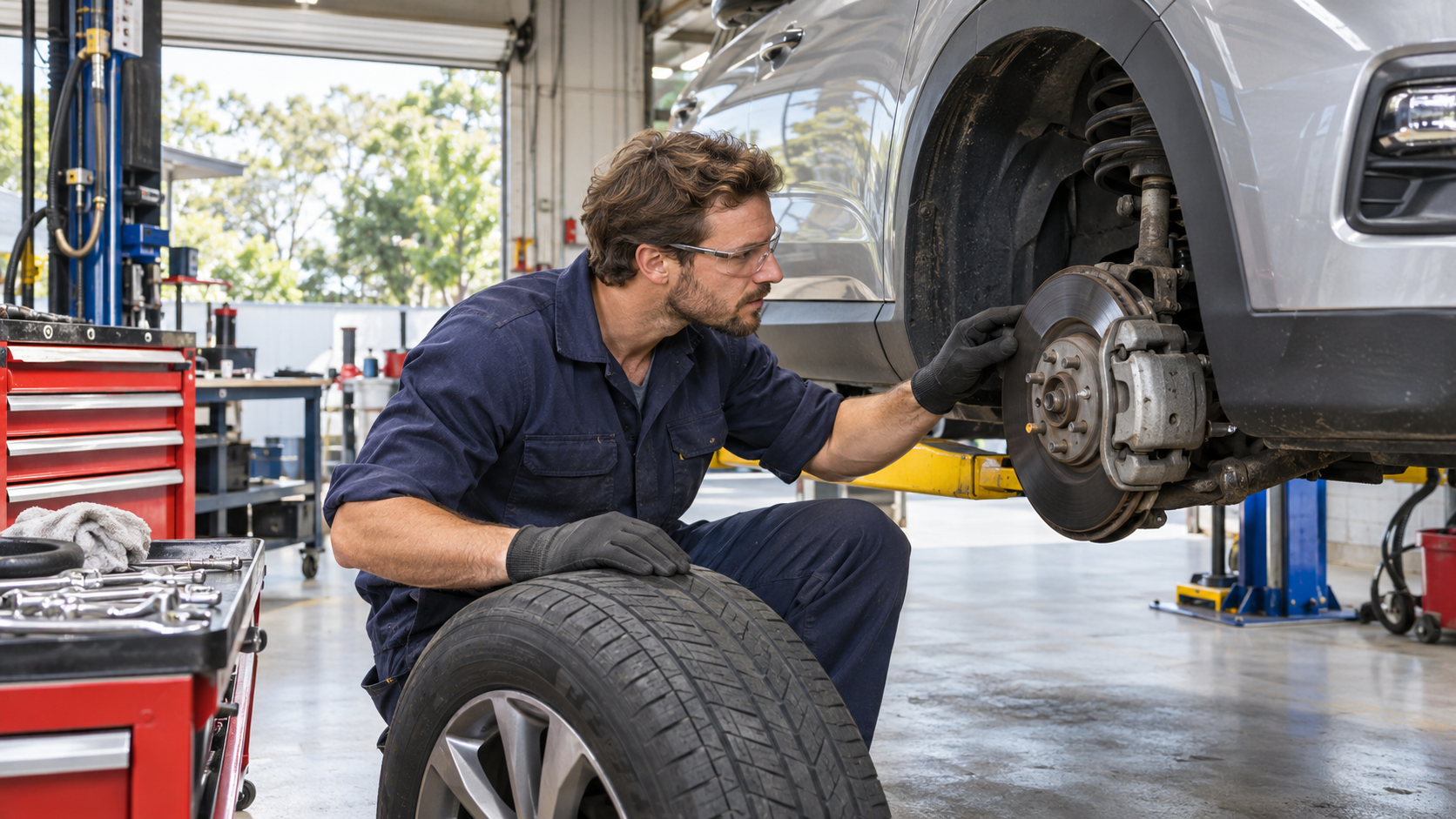
Start with a qualified mechanic, and ask for a service that covers brakes, fluids, tyres and the battery. If a warning light is on, ask them to diagnose it rather than wait and see.
Tyres come next, since they affect both road safety and fuel economy. Correct pressure and healthy tread improve grip and cut fuel use. Check the spare as well, or the repair kit if the car carries one instead, because a flat spare is useless at the roadside and so is a kit with expired sealant.
Replace the key fob battery before you leave, too. A flat one can stop you from starting the car or getting into it, and a driveway is a far easier place to fix that than a car park.
Once the vehicle checks are done, add the backups. Keep water and a first-aid kit in the car and a charged phone within reach. Finally, write emergency contacts down in case the phone goes flat. These habits apply in every season, including winter driving.

A car that has sat in the driveway for weeks or months needs a closer look than one driven daily, mainly because the battery loses charge when the engine stays off. A battery can go flat after two to four weeks without driving, and older batteries give out sooner.
A few days before departure, start the engine and listen for a slow crank, which signals a weak battery, and book a battery test if you hear one. Next, check tyre pressure, because tyres lose air faster when a car stands still, and then look over the fluid levels. Finish by testing the brakes on a quiet street before you join traffic, since surface rust can form on the discs during a long rest.
Businesses with several vehicles can go a step further. Technology-enabled roadside assistance solutions record the fault type and vehicle behind each callout, so a business can see whether battery faults cluster in one vehicle group.
With the main jobs covered, run through this list a few days before departure. Anyone unsure about an item should book a qualified mechanic to check it.

Once the car is checked, one step remains. A thorough check lowers the odds of a breakdown but cannot remove them, and roadside assistance covers that gap. For a fleet management business, the value lies in how quickly a stranded driver or customer gets moving again. For a non-fleet driver, it’s about having ready access to a reliable car when you need it.
What roadside assistance covers depends on the product, as plans differ in the vehicles they include and the help they send. You can check this information with your roadside assistance provider.
Yes. A service lets a qualified mechanic fix worn parts and low fluids on your schedule, which cuts the chance of car trouble on the road.
Check tyres, tyre pressure, the spare, engine oil, coolant, washer fluid, brakes, lights, wipers and the battery. Reach out to a professional mechanic if you run into any issues.
Book a service with a qualified mechanic, replace the key fob battery, check the spare tyre or repair kit and confirm your roadside assistance cover.
A car usually copes with a couple of weeks of rest. After about a month, or sooner with an older battery, check the battery and tyres and test the brakes.
Start the engine, check tyre pressure and fluid levels, and test the brakes on a quiet street. Book a mechanic if the engine cranks slowly.
Cover varies by product. Roadside assistance generally sends help when a vehicle breaks down, and each plan lists its own inclusions and limits, so check yours before you travel.
Roads fill up over the holidays, and checking every vehicle before the rush is a reliable way to keep a fleet moving. Once that is done, ask one more question: Who provides your roadside assistance?
If the answer is 365 Assistance, your drivers already have a trusted partner this summer. If it is another provider, take a moment to review how fast and dependable its response is and what your plan covers when drivers or customers need help. Get in touch with us, and we can talk through your options.