.png)
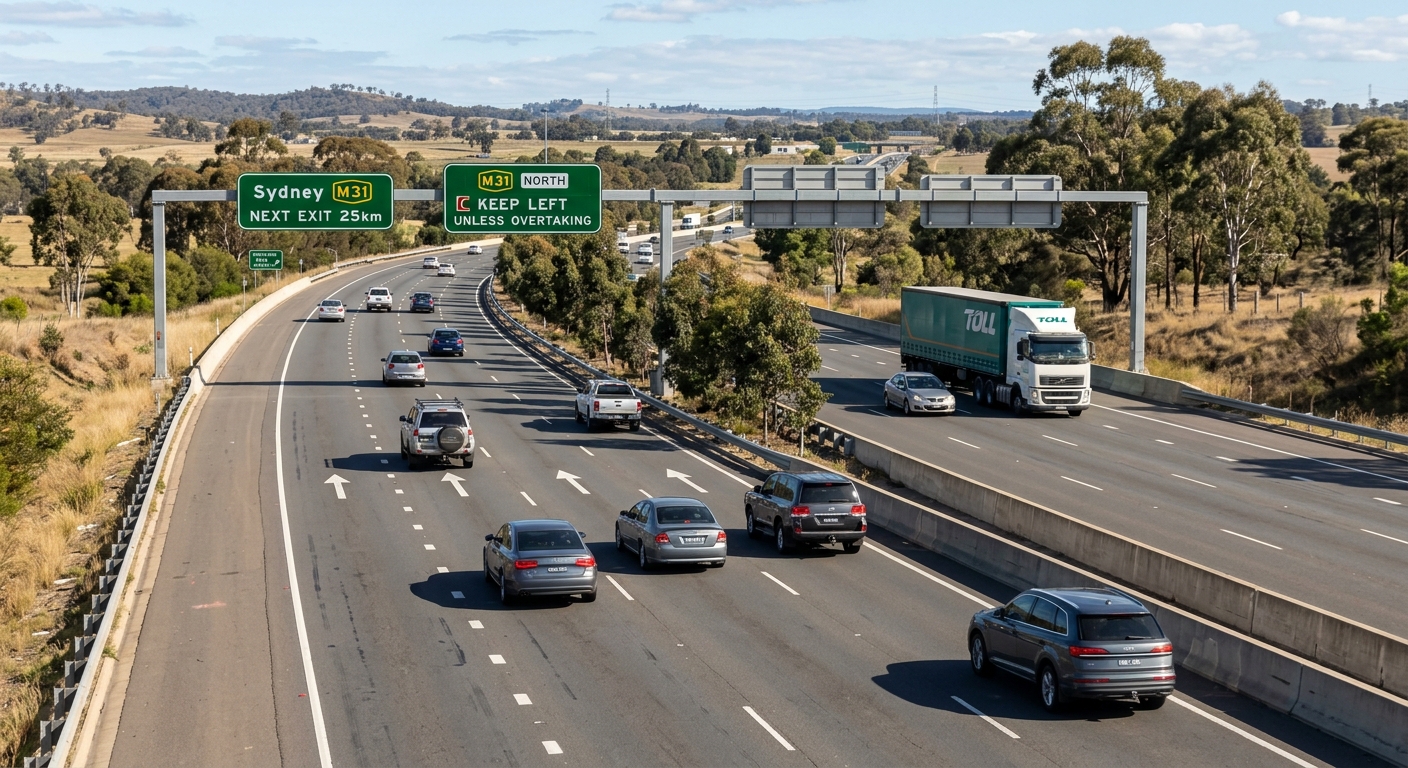
Winter arrived later this year, but the key messages are important based on what we see with our customers and their mobility experience as the months become colder.
Winter driving in Australia demands greater caution. At 365 Roadside Assistance, we see most call outs spike on Monday mornings through the cooler months, driven by cold mornings, wet roads and reduced visibility. But the good news is that most of these breakdowns are entirely preventable.
The following winter driving tips cover what matters most: reduced speeds, increased following distances and a smoother approach to acceleration and braking. While snow and black ice are a reality in alpine areas, the bigger risk for most drivers across the country is underestimating what cold, wet weather conditions do to a vehicle — and how quickly road conditions can change.
Safe driving through winter comes down to preparation.
A few checks before the cold weather sets in can save you a long wait on the side of the road. Be sure to run these checks on your car as we head into the cool season:
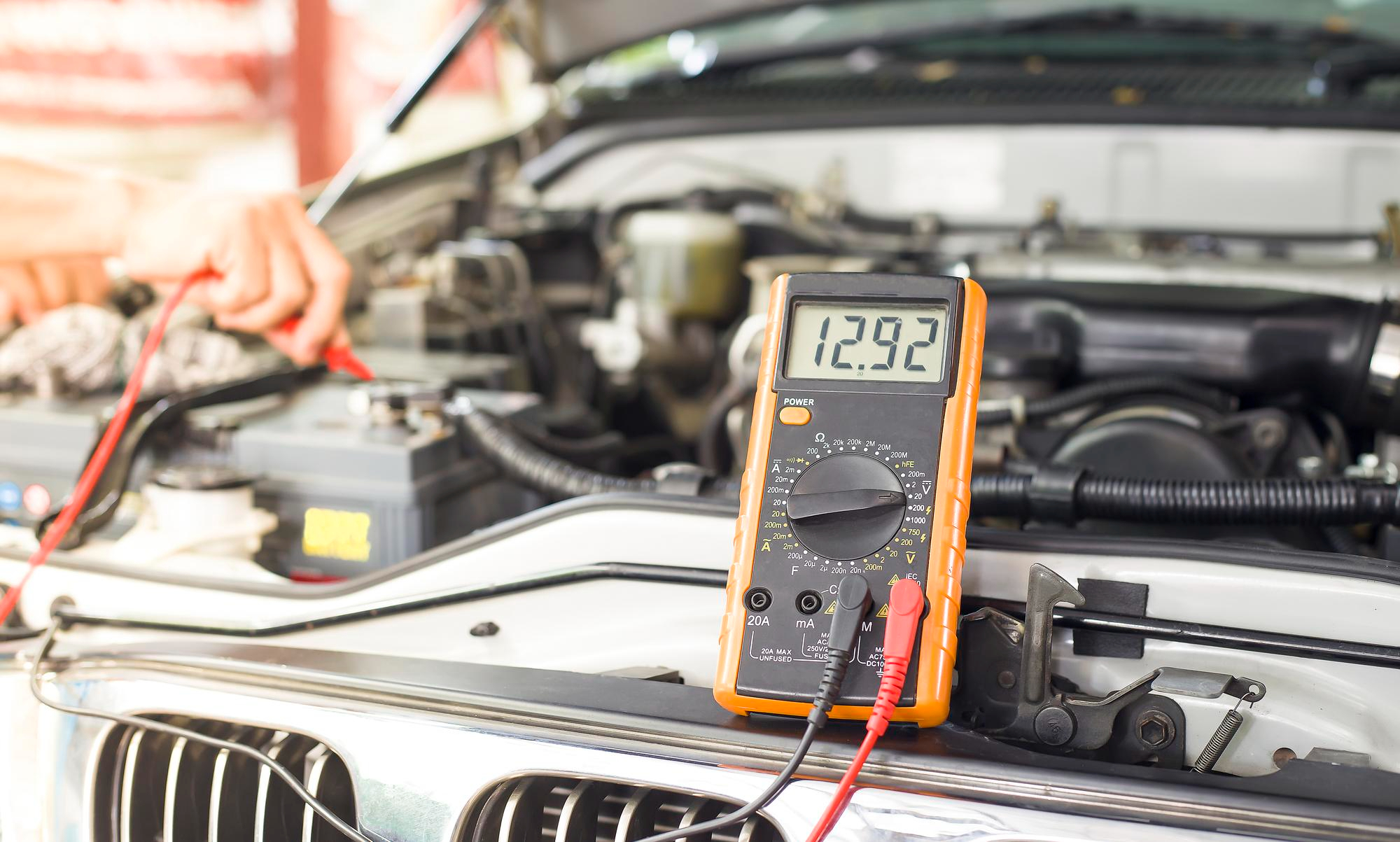
Battery
Cold temperatures slow the chemical reactions inside a car battery, reducing its ability to hold charge. In freezing temperatures or icy conditions, a battery that performs fine in summer may not start your vehicle at all. If yours is more than three years old, have it tested before winter arrives.
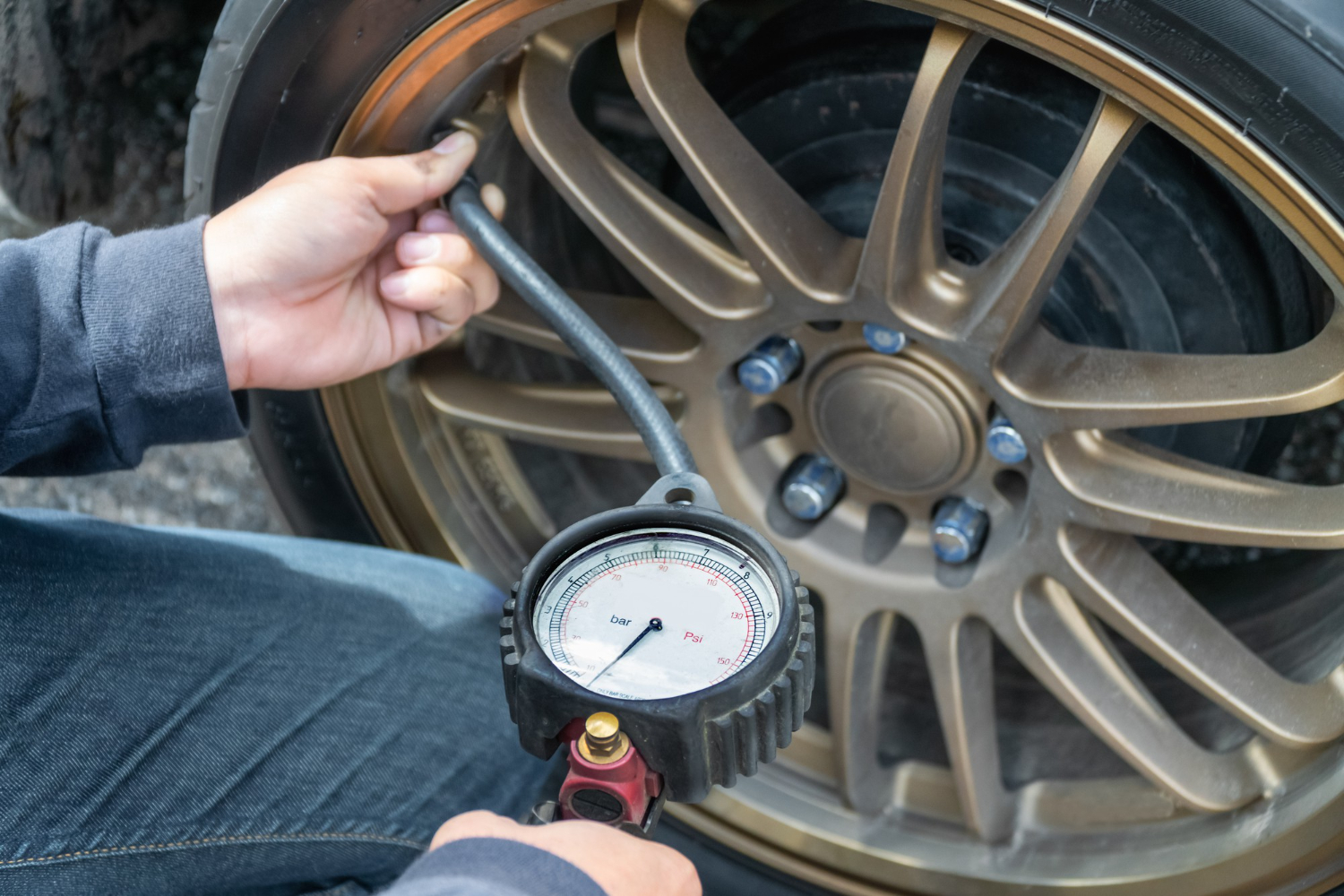
Tyre pressure drops as temperatures fall at a rate of roughly one PSI for every five-degree drop. Under-inflated tyres reduce traction on wet roads and increase the distance it takes for your vehicle to slow or stop. Check your pressures weekly in winter and keep them at the manufacturer's recommended level.
Tread depth matters too; worn tyres have significantly less grip on a slippery road. If you regularly drive in alpine areas, winter tires or snow tyres are worth considering, as they’re engineered specifically for cold, low-traction surfaces. If you don’t carry a spare tyre, make sure you have a repair kit that is compatible with your vehicle — many newer cars do not come with a spare.
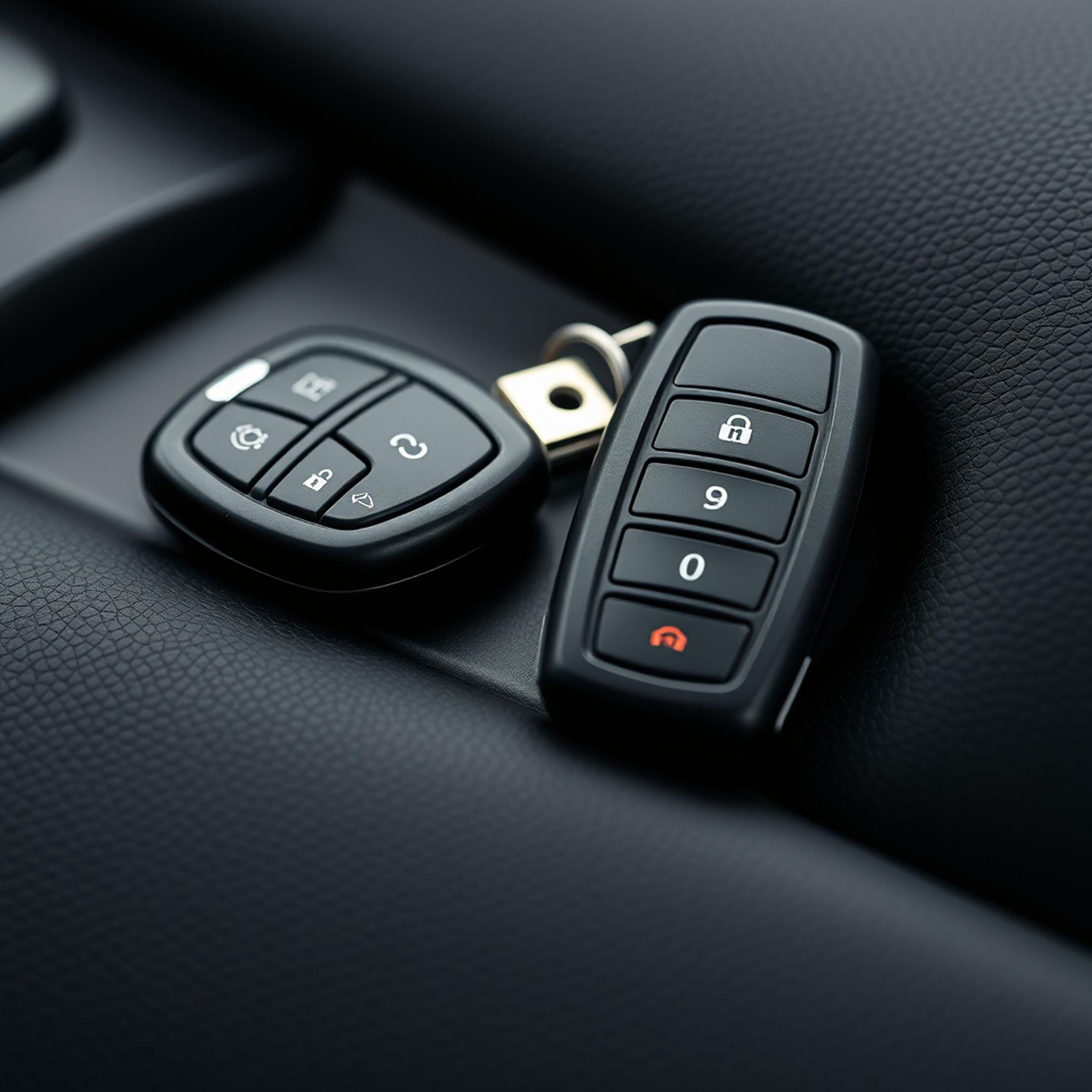
Key fob batteries tend to fail in cold conditions, and being locked out in winter is not a minor inconvenience. Replace yours at the start of each winter — pick a date, make it annual and use a quality battery. If you are unsure how, your local dealer can help.
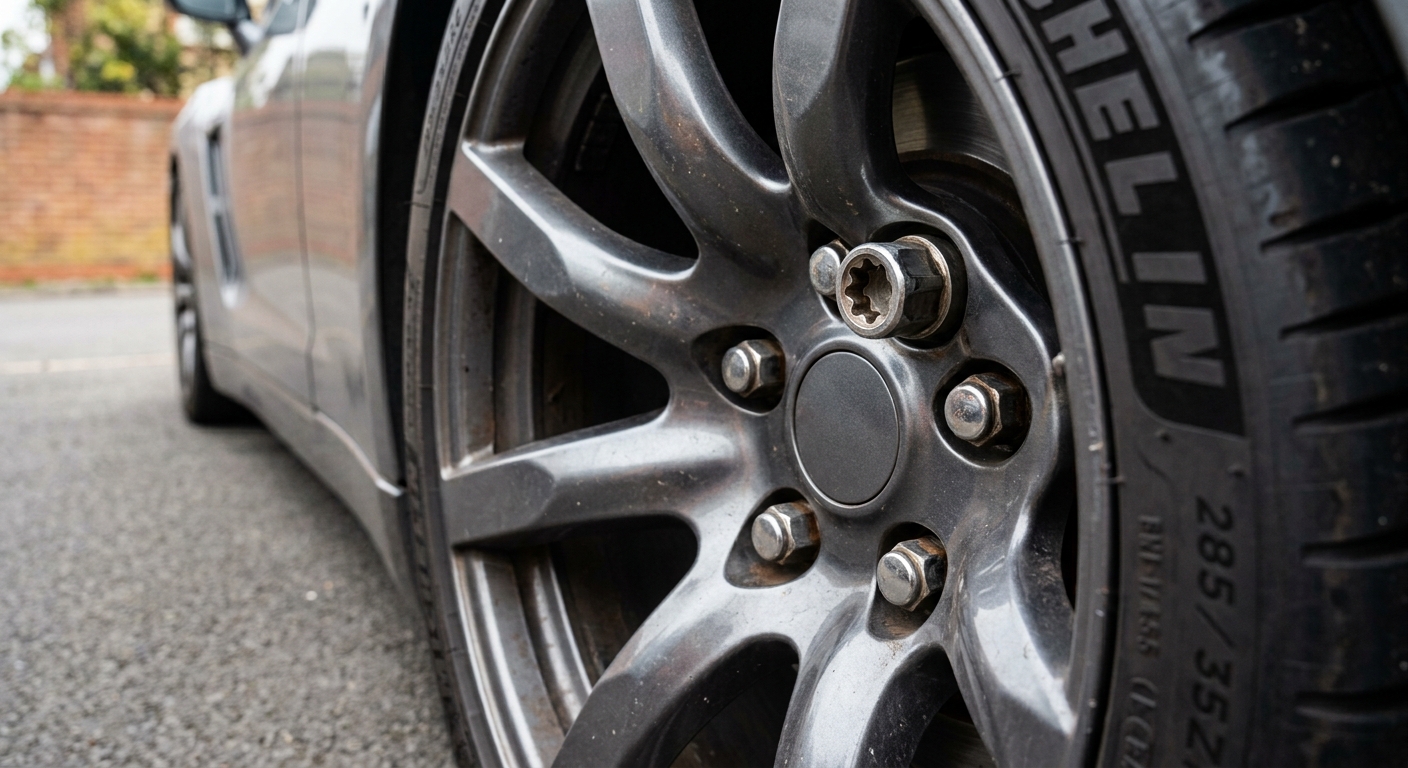
If your wheels require a lock nut, make sure it is in the vehicle and available if needed when driving. It’s easy to forget until you need a tyre changed roadside.
Keep backup keys — both physical and digital (if needed) — somewhere safe and accessible outside the vehicle. If your primary key fails, you’ll want to know exactly where they are.
The way you drive matters as much as the condition of your vehicle. Here are some key driving habits to keep you and others safe when navigating the roads during winter:

Wet roads and cold conditions extend stopping distances. Driving at reduced speeds gives you more time to react. On alpine roads, black ice and snowy conditions — including heavy snow — can appear without warning, requiring extra caution. Yet, even without ice, winter driving means slowing down and sharpening awareness.
In normal conditions, two or three seconds is the baseline following distance. In winter weather, extend that to five to 10 seconds. Wet roads reduce traction and braking becomes less predictable. Watch brake lights ahead — they are your earliest warning of changing conditions.
Harsh braking on a slippery road can cause your wheels to lock — even vehicles with antilock brakes perform better with progressive pedal input. Smooth, gradual pressure on the brake pedal gives your tyres the best chance of maintaining grip. If the steering wheel pulls or vibrates under braking, ease off and reapply gently. The same applies to acceleration — sudden throttle input on a wet road surface can break traction easily.
On wet or icy roads, cruise control can slow your response to changes in traction. Turn it off in winter conditions and stay in manual control.
Clear the inside and outside of your entire windscreen, rear window and mirrors before moving. Check that your wipers are in good condition and washer fluid is topped up.
Being prepared for an incident is just as important as trying to prevent one. Here are some items to keep in your car to ensure you’re ready for whatever comes on the roads this winter:
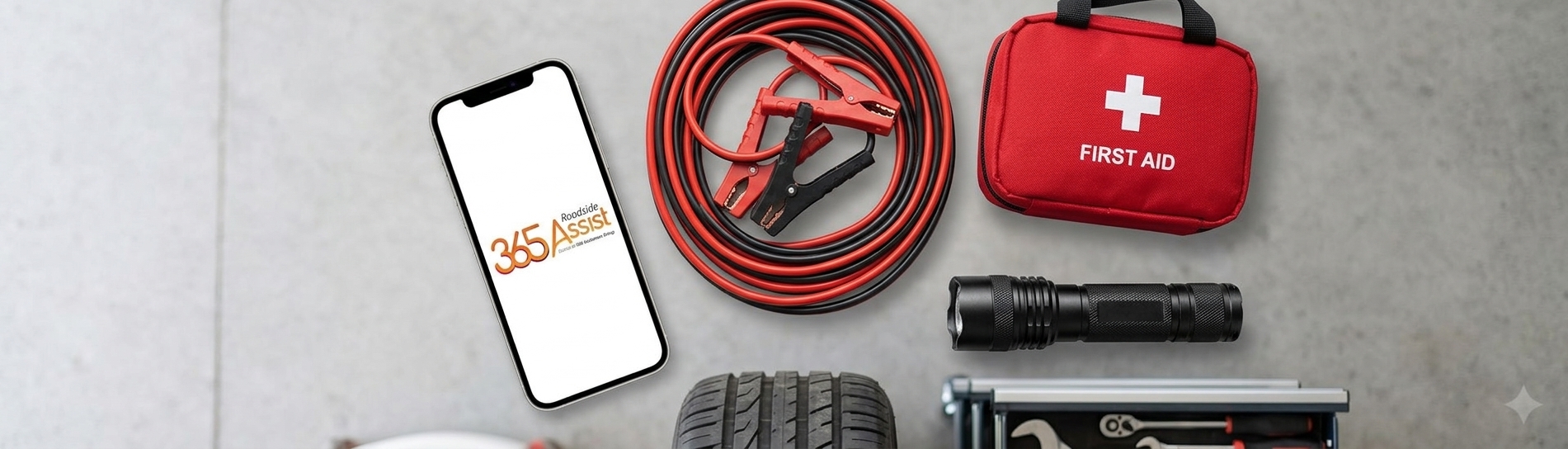
Include a first aid kit, pen and paper to record incident details, a torch, a reflective triangle or vest and a phone charger. In alpine areas, add a blanket and warm clothing.
Jumper leads are essential in winter. Include a tyre repair kit if your vehicle does not carry a spare — electric vehicle owners should check manufacturer guidance on jump-starting and towing. Keep basic tools and a small fuel reserve if you travel through remote areas.
Store your roadside assistance number in your phone and write it in your glove box. If your phone dies in an incident, you’ll want that number without relying on memory.
Winter driving doesn’t have to mean winter breakdowns. Safe driving through the colder months comes down to preparation. The right vehicle checks, sensible driving habits and a well-stocked car go a long way toward keeping you and your passengers safe through winter.
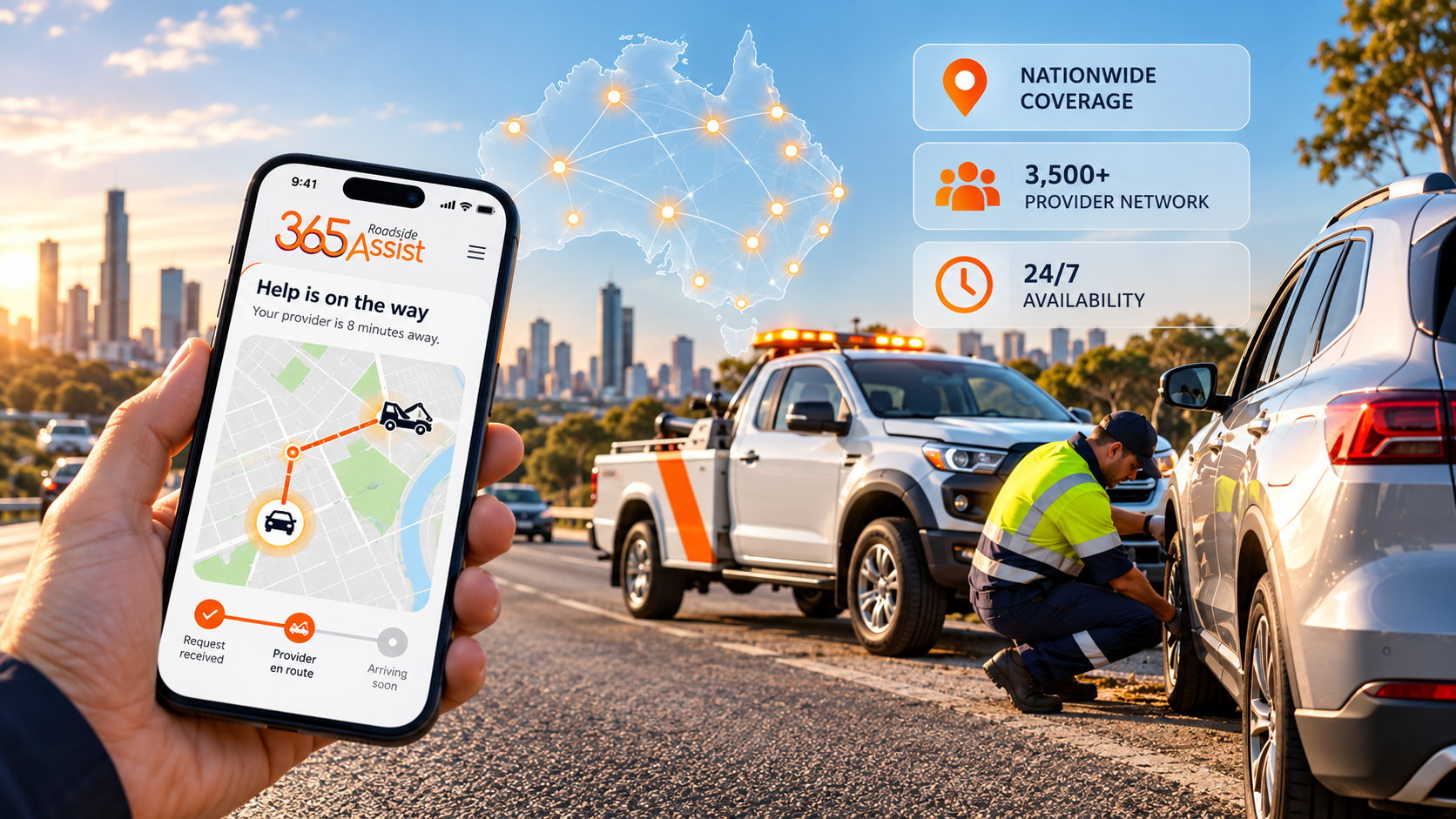
For dealers, insurers and fleet managers, reliable roadside assistance is one of the most practical ways to protect drivers when conditions get difficult. 365 Roadside Assistance is available 24/7, nationwide, with fast dispatch and upfront diagnostic support from the moment you call.
Contact the team today to learn more.